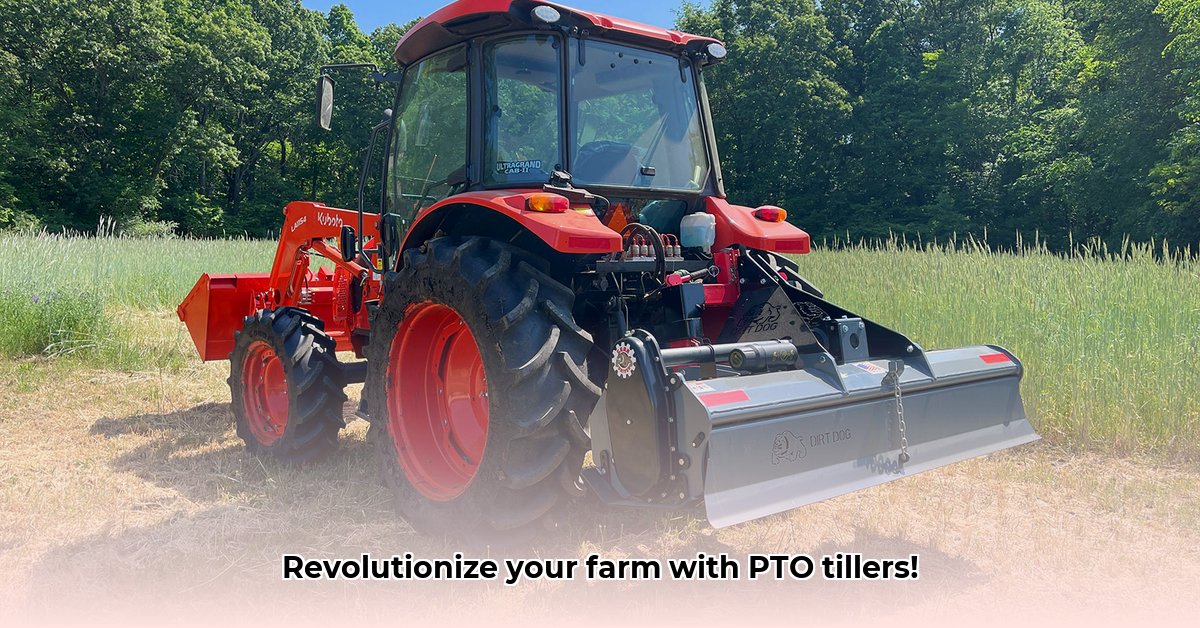
Choosing the Right PTO Tiller for Your Tractor
Selecting the appropriate PTO (power take-off) tiller is paramount for efficient and sustainable farming. Your choice hinges on several key factors: tractor horsepower, soil type, acreage, and intended tillage purpose. A mismatch can lead to inefficient operation, equipment damage, and even soil degradation.
Matching Horsepower: Your tractor's horsepower rating directly impacts the tiller’s size you can effectively use. Underpowering the tiller results in poor performance and potential damage, while overpowering it can lead to excessive soil disturbance and unnecessary fuel consumption. Consult your tractor’s manual for recommended PTO horsepower and select a tiller within that range. Do you have enough power to handle your intended acreage? If not, consider renting a larger tiller for larger jobs or investing in a more powerful tractor.
Considering Soil Type: Soil characteristics significantly influence tiller selection. Heavy clay soils require robust, heavy-duty tillers capable of breaking through compaction. Conversely, lighter, sandier soils can be effectively tilled with lighter-duty models. Consider soil moisture content too; drier soil may need more aggressive tilling than moist soil. Is your soil predominantly clay, sandy, silty, or a mix? The appropriate tiller design will differ depending on your soil composition.
Tiller Size and Acreage: The size of your farm directly impacts the necessary tiller width. Small gardens require narrower tillers, whereas expansive fields benefit from wider models to increase efficiency. Matching the tiller width to your acreage optimizes time management and minimizes fuel usage per acre. What is the average size of your fields? Selecting a tiller width that appropriately balances efficiency and maneuverability is crucial.
Tillage Application: Different tillers excel at various tasks. Some are designed for seedbed preparation (creating a fine seedbed), while others are better suited for mixing in compost or tilling after harvesting. Choosing a tiller that meets your specific requirements ensures optimal soil conditions and farming outcomes. What tasks will you primarily use the tiller for? Focusing on your main needs will ensure a more cost-effective purchase.
For more information on PTO tillers, check out this helpful resource: PTO tiller info.
Safe Operation and Maintenance: Prioritizing Safety and Longevity
Safe and efficient PTO tiller operation demands strict adherence to safety protocols and a regular maintenance schedule. Neglecting these aspects can lead to accidents, reduced tiller lifespan, and ultimately, compromise the quality of your work.
Pre-Operational Checks: Before each use, thoroughly inspect the tiller for loose bolts, worn parts, and any signs of damage. Ensure all safety guards are correctly installed and functioning properly. Inspect the PTO shaft connection to your tractor, ensuring it's securely fastened and free from damage. Double-check all connections and attachments before starting. Has your machine received a thorough inspection lately? Remember, preventative maintenance saves you time and money.
Starting and Operating: Engage the PTO slowly and gradually increase the tiller's depth to allow it to work smoothly into the soil. Maintain a consistent speed and depth for uniform tilling. Avoid hitting rocks, buried debris, or other obstacles that could damage the tiller or cause injury. Always maintain a safe distance from anyone else working in and around the area of operation. Prioritize constant awareness of your surroundings. Are you operating in a safe manner which includes adequate visibility?
Maintenance: Regularly sharpen the tiller blades to ensure optimal performance and minimize soil compaction. Lubricate all moving parts according to the manufacturer's recommendations. Store the tiller properly when not in use to prevent damage and corrosion. Consider investing in a maintenance log to properly track maintenance schedules and procedures.
Sustainable Tillage Practices: Minimizing Environmental Impact
Conventional tillage practices can negatively impact soil health and the environment. Sustainable tillage focuses on minimizing soil disturbance, reducing erosion, and enhancing soil fertility.
Minimizing Soil Disturbance: Reduce the number of tillage passes to the absolute minimum necessary. Avoid deep tilling unless absolutely required. Shallow tillage is generally preferred, as it preserves more soil structure and organic matter. Does your current tillage depth appropriately balance soil preparation and conservation?
Reducing Erosion: Maintain crop residue on the soil surface to act as a natural erosion barrier. Plant cover crops between cash crops to protect the soil from erosion and improve soil health. Consider contour tillage to minimize erosion on slopes and hilly terrain. What are you doing to protect your soil from water and wind erosion?
Enhancing Soil Health: Integrate crop rotation into your farming system. This diverse planting strategy helps improve soil structure, fertility, and overall health. Avoid monoculture at all costs. What is your crop rotation schedule?
Optimizing Fuel Efficiency: Proper tiller maintenance and appropriate equipment choice contribute to better fuel efficiency. Choosing narrower tillers for smaller areas or investing in equipment that minimizes passes both save fuel and reduce your environmental footprint. What strategies are being used to minimize fuel usage?
Alternatives to Conventional Tillage: Exploring No-Till and Reduced Tillage
Conventional tillage isn't the only approach. No-till farming and reduced tillage offer significant advantages for soil health and environmental sustainability.
No-Till Farming: This approach involves planting seeds directly into the soil without any prior tillage. This method minimizes soil disturbance, preserves soil structure, and increases water infiltration. However, it might require more precise weed and pest management strategies. How would you rate your farm's suitability for no-till farming?
Reduced Tillage: Reduced-tillage practices involve less intensive tillage than conventional methods. This often involves techniques like strip tillage or chisel plowing, which reduce soil disturbance but still offer improved seedbed preparation compared to no-till. This approach can be more easily integrated into existing farming systems. Would a reduced tillage approach better suit your current operations?
Troubleshooting Common Issues: Addressing Problems Effectively
Even with meticulous care, issues can arise. Proper diagnosis and timely intervention are crucial to prevent escalating problems.
Common issues and solutions:
- Clogged Tiller: Stop, clear the obstruction, and adjust the tiller's depth or speed as needed.
- Uneven Tilling: Adjust the tiller depth and speed to ensure uniform tillage.
- Excessive Vibration: Check for loose bolts, worn bearings, or misalignment of tiller components.
- Broken Blades: Replace worn or damaged blades promptly. Consider using a blade sharpener to improve blade life and efficiency. Are your blades appropriately sharpened and functional?
Regular inspection and proactive maintenance are your best defense against these problems.
Conclusion: Tilling Towards a Sustainable Future
Mastering the use of a PTO tiller is crucial for efficient and environmentally responsible farming. By carefully selecting the right equipment, prioritizing safety, employing sustainable practices, and addressing common problems proactively, you can cultivate healthy soil while minimizing your environmental impact. Remember, sustainable agriculture is a journey of continuous learning and adaptation. Embrace continuous improvement to foster both productivity and environmental stewardship.